Sospiro Wine Bar & Cucina, Coral Gables
Founded by Fabrizio Gallina

Sospiro Wine Bar & Cucina, Coral Gables
Founded by Fabrizio Gallina
Fabrizio is proud to host friends, sommeliers, winemakers, wine importers and wine lovers together for wine dinners, wine tastings, wine experiences and casual bar hangouts. We have something for everyone.

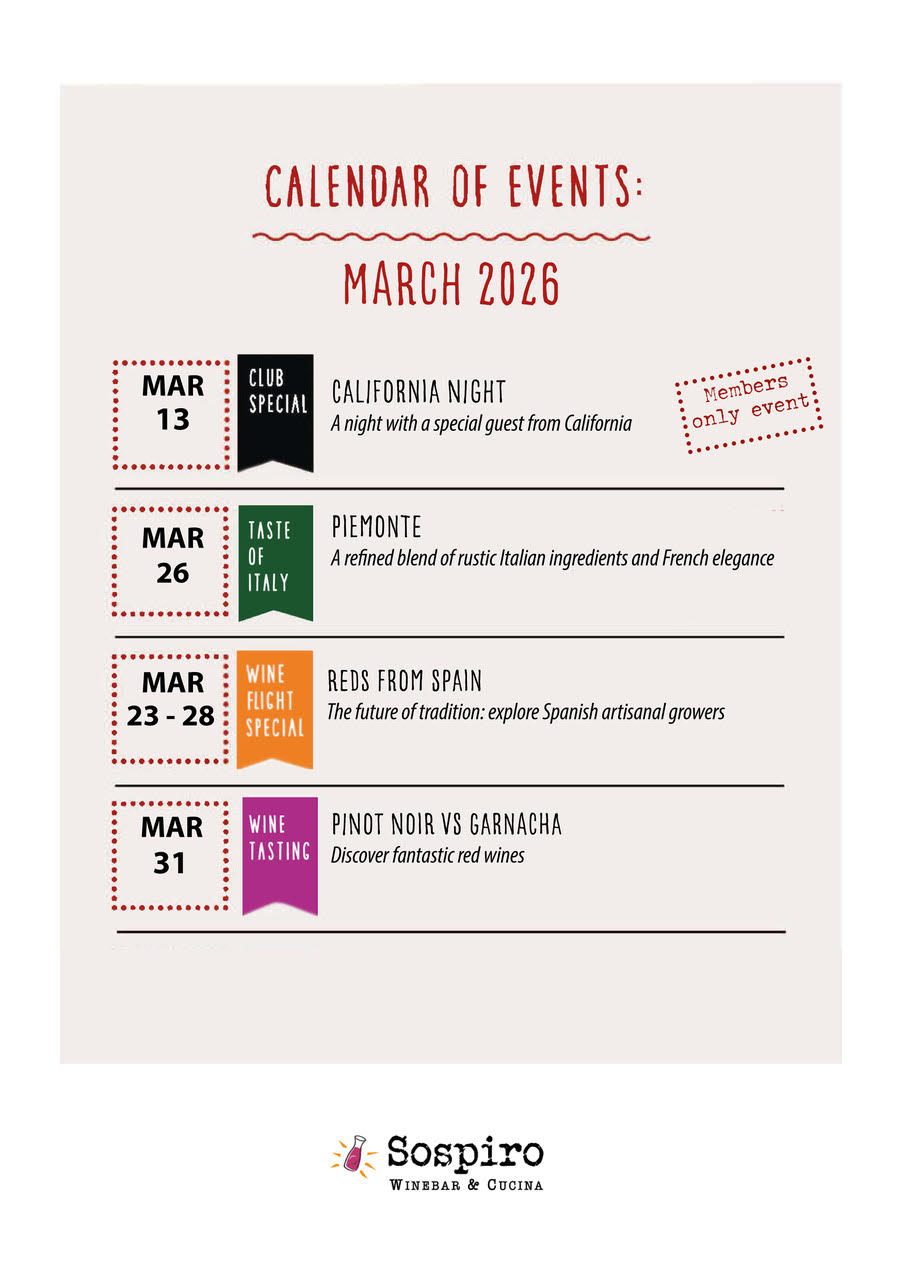
Discover the world of genuine wines like never before at our monthly Wine Tasting events.

A curated regional Italian dinner and great stories to share. Optional wine pairing available.

Enjoy a 2.5 oz. pour of four wines that have some interesting things in common.

Exclusive and intimate events for SOSPIRO SIPS wine club members

Shine in society and boast in being unbeatable on cheese and wine pairings!

Expand your palate (and have fun!) with the wine tasting challenge
Cheers to a world of wine tailored just for you!
Please check back often for upcoming dates or contact Fabrizio via email at fabrizio@sospirowinebar.com
In the hills of Northwestern Italy, wine is part of everyday life, shaped by foggy mornings, long lunches, small family cellars, and generations of quiet dedication to the land.
Piedmont is home to some of Italy’s most revered wines and native grape varieties, from the depth and structure of Nebbiolo to the delicate perfume of Arneis and the vibrant freshness of Barbera. Here, elegance is never loud. It lives in restraint, balance, and a profound sense of place.
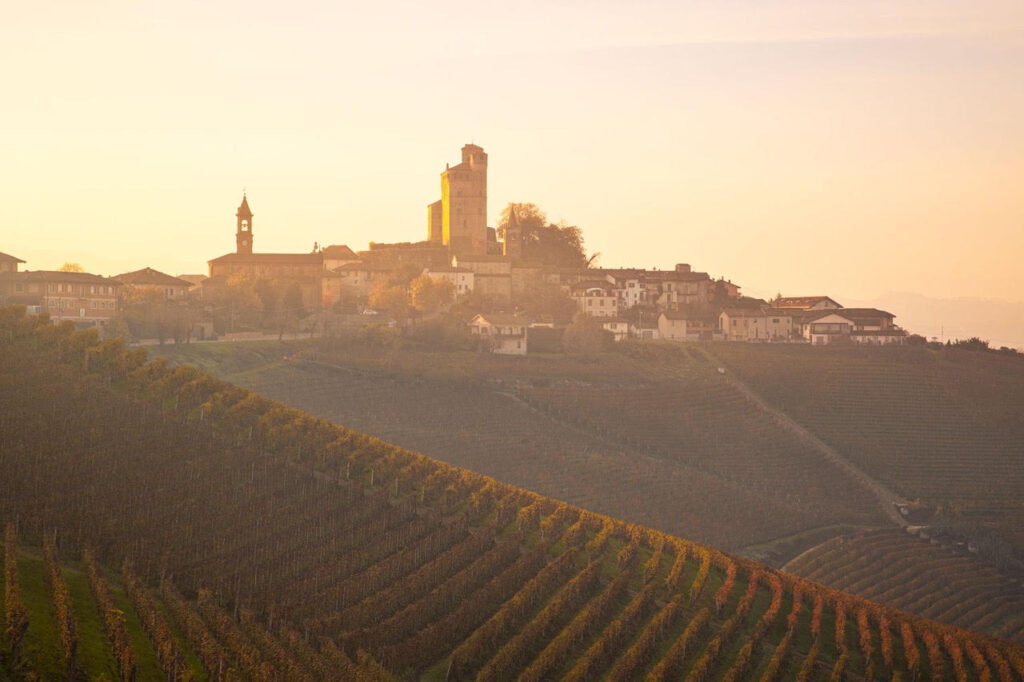
For one evening, Sospiro invites you to explore the landscapes, traditions, and wines that made Piedmont one of the world’s great wine regions.
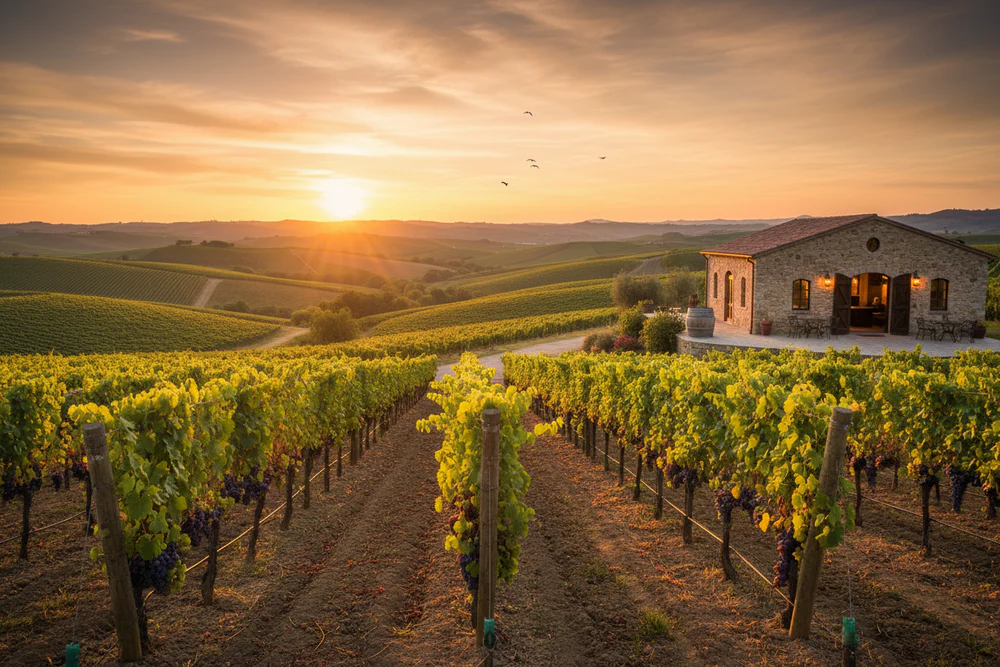
In Spain, if you want vino tinto, or red wine, you usually order by region, asking the waiter to bring a glass of Rioja or Ribera del Duero. Both regions produce ageworthy, Tempranillo-based red wines with bold fruit flavors and notes of toast and spice.
Despite these similarities, many people in Spain have very strong opinions on Rioja and Ribera del Duero wines and choose sides as if they were opposing teams in an end-of-season playoff game
“La vida es demasiado corta para beber vino malo”
(Life is too short to drink bad wine)
The two regions are in northern Spain and are north of the capital, Madrid, which has been compared to the center point of the face on a clock. With that analogy in mind, Ribera del Duero is directly above Madrid, heading towards 12:00, while Rioja is to the northeast, between 1:00 and 2:00. The two regions are about three hours apart from one another by car and neither is coastal, though Rioja is closer to the North Atlantic, known locally as the Cantabrian Sea.
Rioja became Spain’s first Denominacion de Origen (DO) in 1925. It was also the country’s first Denominacion de Origen Calificada (DOCa), a distinction earned in 1991.
A relatively large region, Rioja spans three provinces in the Ebro River Valley and has three subregions, Rioja Alavesa, Rioja Alta and Rioja Oriental.
Wine has been made in Rioja since Roman times, and it is believed that barrel aging was introduced in the 1780s. In the 1850s, as phylloxera ravaged the vineyards of France, winemakers from Bordeaux moved to Rioja and began plying their trade, ushering in the region’s modern era of winemaking.
Ribera del Duero sits on a mesa, or high mountain plain, with altitudes between 2,300 and almost 3,600 feet above sea level. Strong day-to-night temperature shifts help preserve the grapes’ acidity, adding to its freshness and ageability.
Winemaking in Ribera del Duero dates to the Roman era as well. Benedictine monks from Burgundy were active in viticulture and winemaking in the 12th century.
Wines from Rioja labeled Tempranillo predominantly feature that variety; its two most frequent blending partners are Mazuelo, which brings color and additional alcohol to the finished wine, and Graciano, which adds acidity. Garnacha is also used, especially in Rioja Oriental, and it provides both fruit flavors and alcohol.
Tempranillo goes by aliases in Ribera del Duero, including Tinto Fino and Tinta del Pais. Locals claim that, due to climactic conditions, the grape has developed characteristics that render it completely different from Tempranillo grown elsewhere, producing a fresher, more elegant style of wine.
Most wine made in Ribera del Duero is 100% Tempranillo. However, it only has to have a minimum of 75% Tempranillo, and can also contain Cabernet Sauvignon, Merlot or Malbec, as well as smaller amounts of Garnacha Tinta or Albillo Mayor. The first four grapes each bring acidity, tannin and fruit to the blend, while the last, a white grape, adds fragrance.
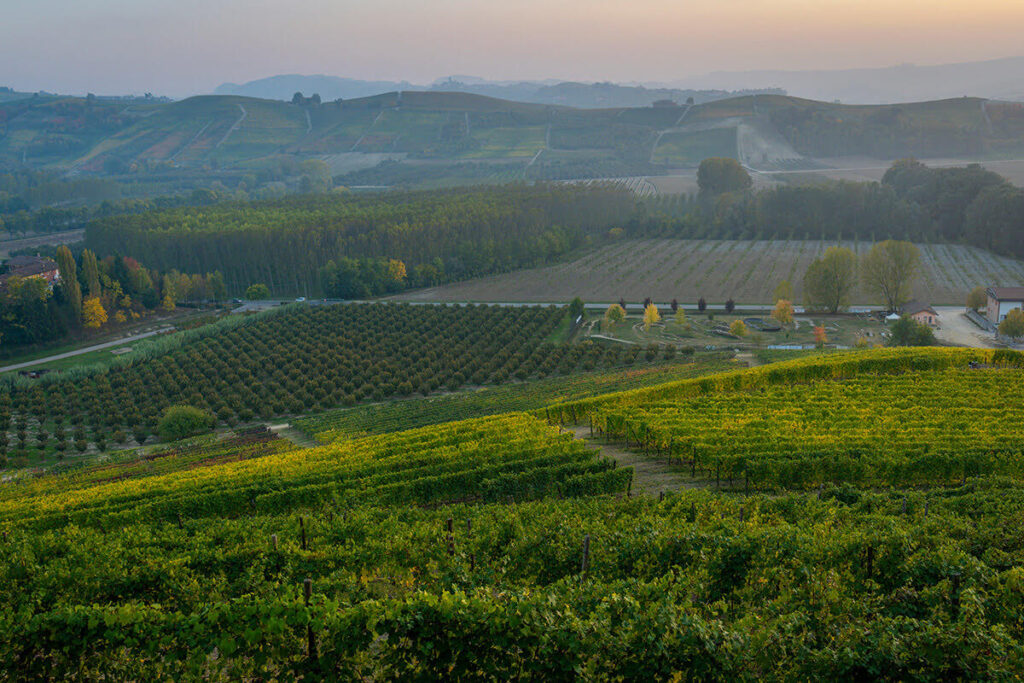
Nestled in the northwestern corner of Italy, Piemonte (Piedmont) is a haven for food enthusiasts seeking authentic flavours, exceptional wines, and age-old culinary traditions. Known for its rolling vineyards, truffle-rich forests, and mouthwatering dishes, this region offers a gastronomic experience like no other. Let’s delve into the flavours and traditions that make Piemonte a culinary treasure.
Piemonte’s culinary tradition is a refined blend of rustic, peasant-inspired dishes and sophisticated, French-influenced royal cuisine. Centered on rich flavors, the region is famous for white truffles from Alba, high-quality beef (fassona), hazelnuts, and dairy-based dishes, frequently using butter and garlic rather than olive
Piemonte is the heart of the Slow Food Movement, which began in the town of Bra. This philosophy celebrates sustainable, locally sourced, and traditional food practices. Many of the region’s restaurants and producers proudly uphold these principles, ensuring every meal is a testament to Piemonte’s rich heritage.
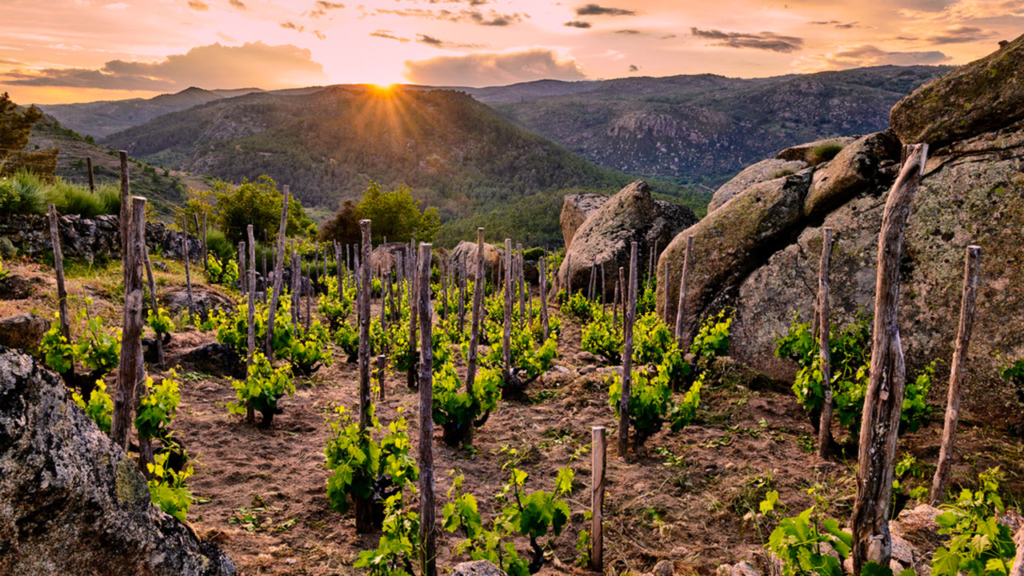
For centuries, Pinot and Garnacha (Grenache) grapes have been the subject of winemaking debate and enjoyment. But what exactly sets these two popular varieties apart from each other, and which variety can we trust to deliver as the world around us changes at a rapid pace? From taste to appearance to consistency, join us as we delve into the distinct differences between Pinot and Garnacha grapes.
Pinot and Garnacha (Grenache) are similar grapes but still can create distinctly different end-results. Pinot is known for its delicate and complex flavor profile, with subtle hints of red fruits, earthy and spicy notes, and a silky texture. Garnacha, on the other hand, is known for its bold, fruit-forward flavor profile, with prominent notes of red and dark fruits, spices, and a warm, full-bodied texture. While both grapes are highly valued for their distinctive qualities, there are several key differences between Pinot and Garnacha. Pinot grapes are primarily grown in cooler climates, such as Burgundy in France, and the Willamette Valley in Oregon. This is due to the delicate nature of Pinot grapes, which are characterized by a thin skin, sensitivity to soil conditions, and high acidity.
In contrast to the sensitive Pinot, Garnacha grapes are the shoulder you can consistently lean on. These grapes are known for their ability to adapt to a wide range of climates and soils, and are relatively less difficult to grow. The chemical structure of Grenache grapes is characterized by a thicker skin and lower acidity, which results in a full-bodied wine with bold notes of red and dark fruits, spices, and a warm, velvety texture. This truly is the grape that is going to weather the storm with you.
Our friend Eric Solomon often says “Garnacha delivers what Pinot promises.” This phrase reflects the idea that while Pinot wines are often sought after for their delicate and nuanced flavor profile, they can be disappointing if not grown in ideal conditions or if not made by an experienced winemaker. On the other hand, Garnacha wines are consistently bold, fruit-forward, and full-bodied, delivering the rich and complex flavor profile that Pinot wines promise year after year.
Add Your Heading Text Here